Understanding the SI Joint: How It’s Affected During Pregnancy and Exercises to Relieve Pain
December 11, 2024

Pregnancy is a transformative journey, bringing immense joy and significant physical changes. Among the many areas affected by these changes is the sacroiliac (SI) joint, a crucial structure in your pelvis. SI joint pain is a common concern during pregnancy, often causing discomfort and limiting mobility. In this blog, we’ll explore the SI joint, how pregnancy impacts it, and effective exercises to alleviate the pain.


What is the SI Joint?


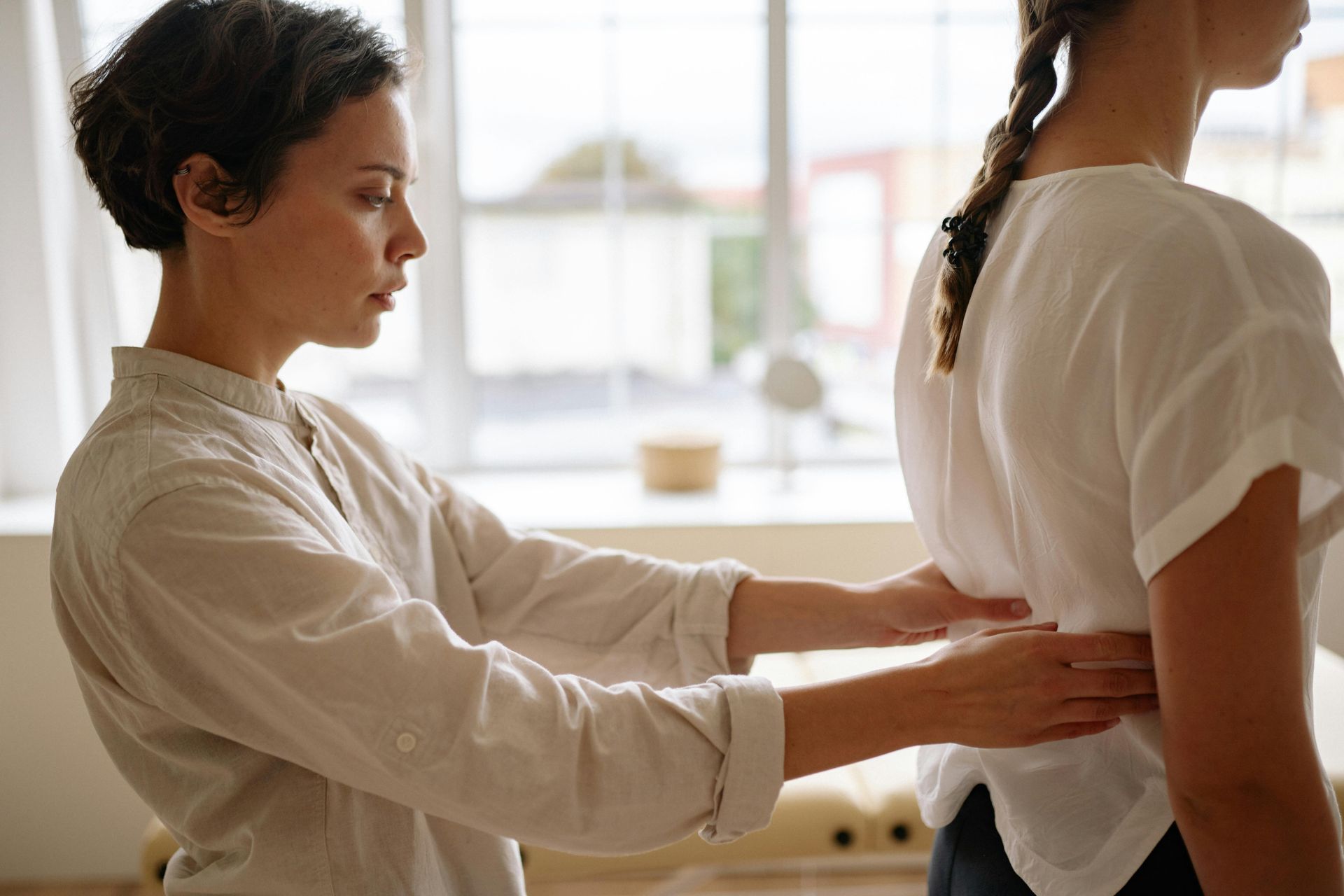
The sacroiliac (SI) joint is where the sacrum (the triangular bone at the base of your spine) meets the ilium (the upper part of your pelvis). You have two SI joints, one on each side of your lower back. These joints play a vital role in stabilizing your pelvis and transferring forces between your upper and lower body.


Unlike other joints, the SI joint has minimal movement, providing stability rather than flexibility. However, during pregnancy, these joints undergo significant changes, leading to potential pain and discomfort.


How Pregnancy Affects the SI Joint


Hormonal Changes

During pregnancy, your body produces a hormone called relaxin. This hormone helps loosen ligaments and joints to accommodate your growing baby and prepare your pelvis for childbirth. While this flexibility is essential, it can destabilize the SI joints, making them more susceptible to pain and misalignment.


Weight Gain and Postural Changes

As your pregnancy progresses, the added weight of your baby shifts your center of gravity. This often leads to an exaggerated lumbar curve (lordosis) and increased strain on the lower back and pelvis. The SI joint, in particular, bears the brunt of these postural adjustments.


Asymmetrical Movement

Everyday activities, like walking, standing, or climbing stairs, may place uneven pressure on your SI joints, especially if one side of your pelvis is tighter or weaker. This asymmetry can exacerbate pain and discomfort in the region.

Symptoms of SI Joint Pain During Pregnancy


SI joint pain often presents as:

  • A sharp or dull ache on one side of the lower back or buttocks.
  • Pain radiating down the back of your thigh (but rarely below the knee).
  • Difficulty walking, standing for long periods, or transitioning between sitting and standing.


If you experience these symptoms, it’s essential to address them early to prevent worsening pain and maintain mobility throughout your pregnancy.


Exercises to Alleviate SI Joint Pain


The following exercises can help strengthen the muscles around the SI joint, improve pelvic stability, and relieve pain:


Pelvic Tilts

  1. Lie on your back with your knees bent and feet flat on the floor.
  2. Gently tilt your pelvis backward, pressing your lower back into the floor.
  3. Hold for a few seconds, then release.
  4. Perform 10–15 repetitions.

Benefits: Strengthens the core and promotes proper pelvic alignment.


Cat-Cow Stretch

  1. Start on your hands and knees in a tabletop position.
  2. Inhale as you arch your back, lifting your head and tailbone (Cow pose).
  3. Exhale as you round your back, tucking your chin and tailbone (Cat pose).
  4. Repeat for 1–2 minutes.

Benefits: Improves spinal mobility and reduces lower back tension.


Modified Side-Lying Clamshell

  1. Lie on your side with your knees bent and a pillow supporting your belly if needed.
  2. Keep your feet together as you lift your top knee, then lower it back down.
  3. Perform 10–12 repetitions on each side.

Benefits: Strengthens the gluteus medius, a key muscle for pelvic stability.


Hip Flexor Stretch

  1. Kneel on one knee with the other foot in front, forming a 90-degree angle.
  2. Gently shift your weight forward, feeling a stretch in the front of your hip.
  3. Hold for 20–30 seconds on each side.

Benefits: Relieves tension in the hip flexors, reducing strain on the pelvis.


Bridge Pose

  1. Lie on your back with knees bent and feet hip-width apart.
  2. Press through your heels to lift your hips toward the ceiling.
  3. Hold for a few seconds, then lower back down.
  4. Perform 8–10 repetitions.

Benefits: Strengthens the glutes and core, improving overall pelvic stability.


Tips for Managing SI Joint Pain During Pregnancy


  • Avoid standing on one leg for prolonged periods.
  • Use a pregnancy support belt to reduce pelvic pressure.
  • Sleep with a pillow between your knees to maintain pelvic alignment.
  • Practice good posture to minimize strain on your lower back and pelvis.


Take the Next Step with Bloom Wellness


At Bloom Wellness, we specialize in helping pregnant individuals navigate the physical challenges of pregnancy, including SI joint pain. Our expert pelvic floor physical therapists provide personalized care to alleviate discomfort and enhance your overall well-being.

October 25, 2026
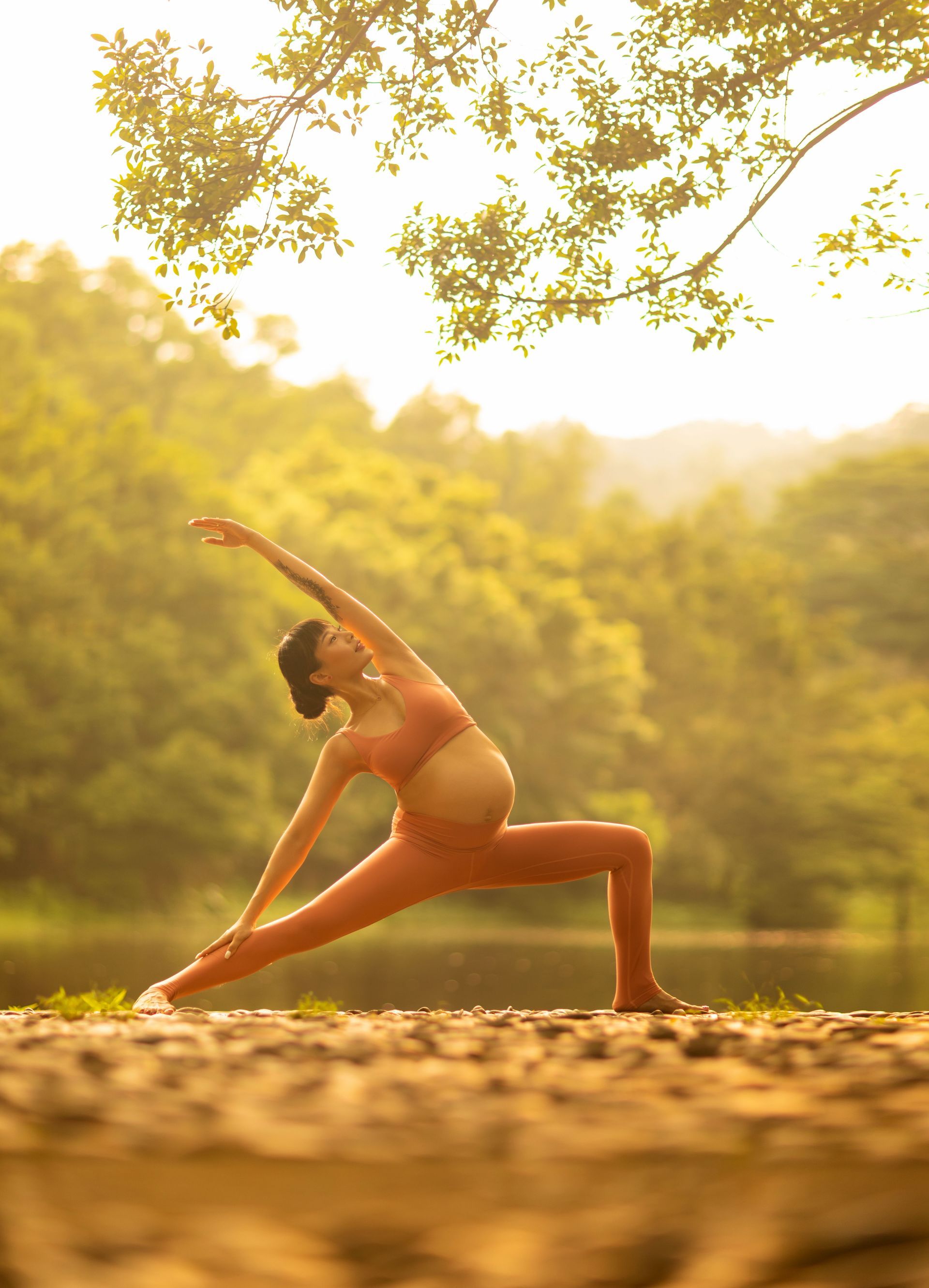
Pregnancy and postpartum come with a lot of advice about what you should and shouldn't do with your body. Don't lift anything too heavy. Avoid abdominal exercises. Do your Kegels. Be careful not to make your diastasis worse. Sound familiar? As a pelvic floor physical therapist, I hear these concerns all the time. And while most of this advice comes from a good place, it often oversimplifies how our bodies actually work. The truth is that pregnancy and postpartum aren't one-size-fits-all experiences. Let's break down a few common misconceptions about movement, core strength, and pelvic floor health. Myth #1: Pregnancy and Postpartum Make Your Body Weak Pregnancy brings significant physical changes, but that doesn't mean your body suddenly becomes fragile. Your muscles, joints, and connective tissues adapt throughout pregnancy to accommodate your growing baby. Some people experience changes in strength, balance, or exercise tolerance, while others continue many of their usual activities with minimal modifications. The same goes for postpartum recovery. Just because you've given birth doesn't mean you need to start from scratch. Staying active during pregnancy and postpartum is about finding the right level of challenge for your body as it changes and recovers. This is one of the things I love about incorporating movement into pelvic floor physical therapy. We can meet your body where it is while continuing to build strength and confidence. Myth #2: Diastasis Recti Means You Should Avoid Core Exercises Diastasis recti, or the separation of the rectus abdominis muscles, is a normal adaptation during pregnancy. As your abdomen expands, the connective tissue between these muscles stretches to make room for your growing baby. For many people, this separation decreases naturally after delivery. For others, it persists. The distance between your abdominal muscles is only one piece of the puzzle when it comes to understanding how your core functions. When assessing diastasis, I'm looking at more than just the distance between your abdominal muscles. I'm also interested in how you generate tension through your abdominal wall, manage pressure, and perform everyday movements. Crunches, planks, and other abdominal exercises often get a bad reputation during pregnancy and postpartum, but these movements aren't automatically harmful. Whether an exercise is appropriate depends on your symptoms, strength, comfort, stage of pregnancy or recovery, and ability to manage the demands of the movement. For example, someone experiencing pelvic heaviness or urinary leakage during a plank might benefit from modifying the exercise temporarily. Someone else may be able to perform that same plank without any issues. Rather than focusing solely on closing the gap, I emphasize building a strong, functional core that supports your everyday activities and the movements you enjoy. And remember, modifications aren't a step backward. They're a way to keep moving while building toward your individual needs. Myth #3: Kegels Are the Answer to Every Pelvic Floor Problem This might be one of the biggest misconceptions I encounter in my practice. Your pelvic floor is a group of muscles that supports your pelvic organs and contributes to bladder, bowel, and sexual function. Like other muscles in your body, these muscles need to be able to contract, relax, and coordinate with the surrounding structures. Sometimes pelvic floor strengthening is exactly what someone needs. Other times, the pelvic floor muscles may already be overactive or have difficulty relaxing. In those situations, repeatedly performing Kegels may not address the underlying issue and can sometimes aggravate symptoms. That's why pelvic floor physical therapy is so individualized. We look at how your muscles are functioning, how they coordinate with your breathing and core, and what might be contributing to your symptoms before deciding on a treatment approach. Myth #4: Breathing Exercises Alone Can Fix Your Pelvic Floor If you've ever taken a yoga class, you've probably spent some time focusing on your breath. And there's a good reason for that! Your diaphragm, abdominal wall, and pelvic floor work together to help manage pressure within your abdomen. As you inhale, your diaphragm descends and your pelvic floor typically lengthens in response. As you exhale, both structures move back toward their resting positions. This relationship is important during activities ranging from lifting weights to getting out of bed. Breathing exercises can be a useful tool for improving body awareness, coordinating movement, and helping some people relax their pelvic floor muscles. However, breathing isn't a magic solution for every pelvic floor concern. Depending on your symptoms, you may also benefit from strengthening, mobility work, behavioral strategies, or other individualized treatments. The key is understanding how breathing fits into the bigger picture. So, Where Does Yoga Fit Into All of This? One of the things I appreciate about yoga is that it creates opportunities to explore strength, mobility, balance, and breathing together. During pregnancy, yoga can be a wonderful way to stay active, explore comfortable movement, and connect with your changing body. Postpartum, it can provide an opportunity to gradually return to movement while rebuilding strength and confidence. Pelvic floor physical therapy complements this by helping identify individual limitations, address symptoms, and develop strategies that support your movement goals. Neither approach is about achieving the perfect posture, mastering a particular pose, or moving exactly like someone else. It's about understanding your body and giving it the tools it needs to move comfortably and confidently. Let's Put It Into Practice! On November 1, I'll be hosting a prenatal and postpartum workshop at Breathing Space, where we'll explore many of these concepts together. We'll discuss how your breath, core, and pelvic floor work together, explore practical movements, and talk about ways to adapt movement throughout pregnancy and postpartum. My hope is that you leave with a better understanding of your body, a few practical tools you can use right away, and more confidence in the way you move. I hope to see you there!
August 10, 2025
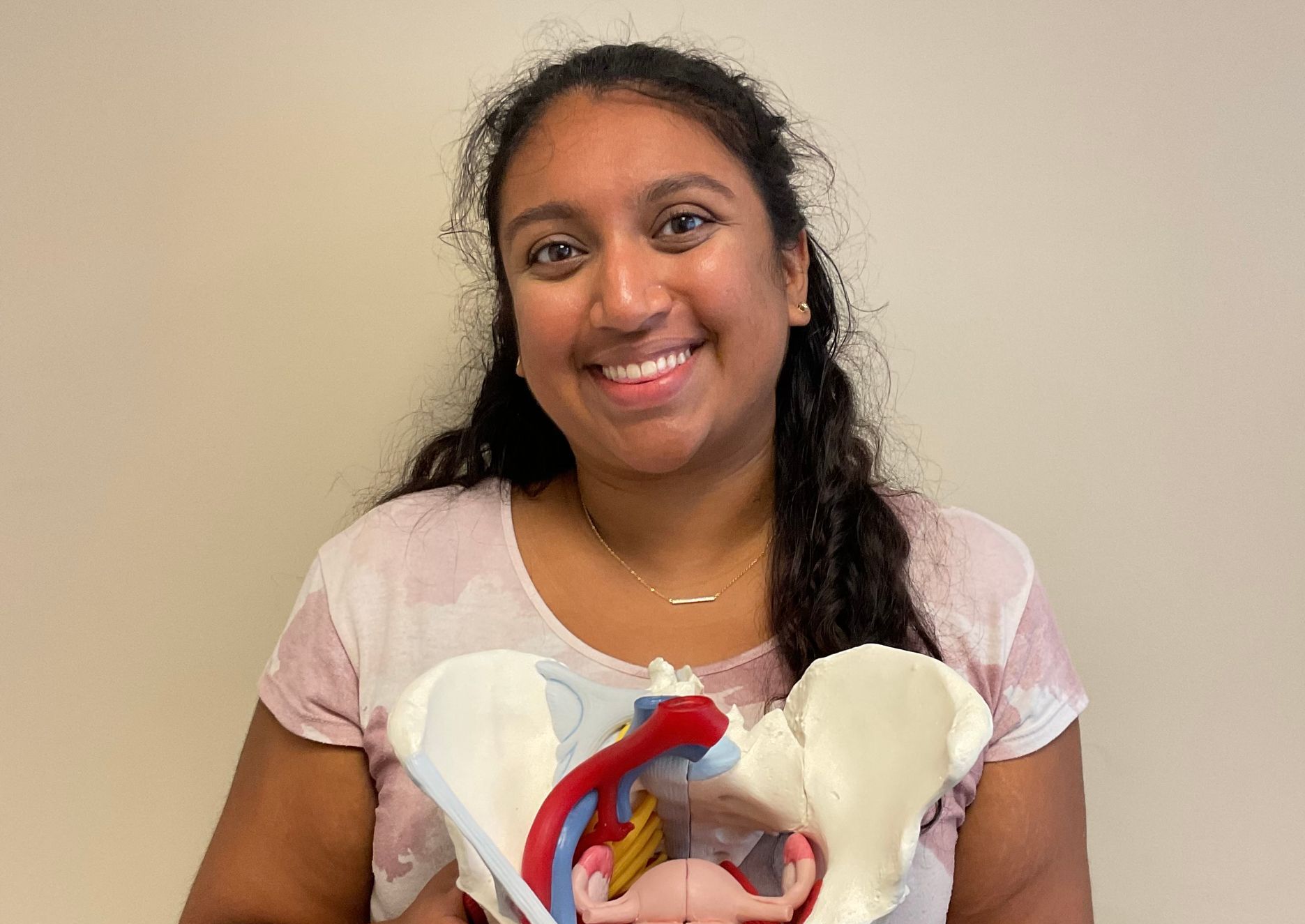
Discover how Dr. Raichura of Bloom Wellness is redefining pelvic health care. Read her inspiring journey, expert insights, and patient-first approach.
July 8, 2025
Whether you're navigating postpartum recovery, chronic pelvic pain, or simply want to better understand your body, Bloom is a safe place to begin.