Pregnancy, Postpartum, and Movement: Let's Clear Up a Few Myths
Pregnancy and postpartum come with a lot of advice about what you should and shouldn't do with your body. Don't lift anything too heavy. Avoid abdominal exercises. Do your Kegels. Be careful not to make your diastasis worse.
Sound familiar?
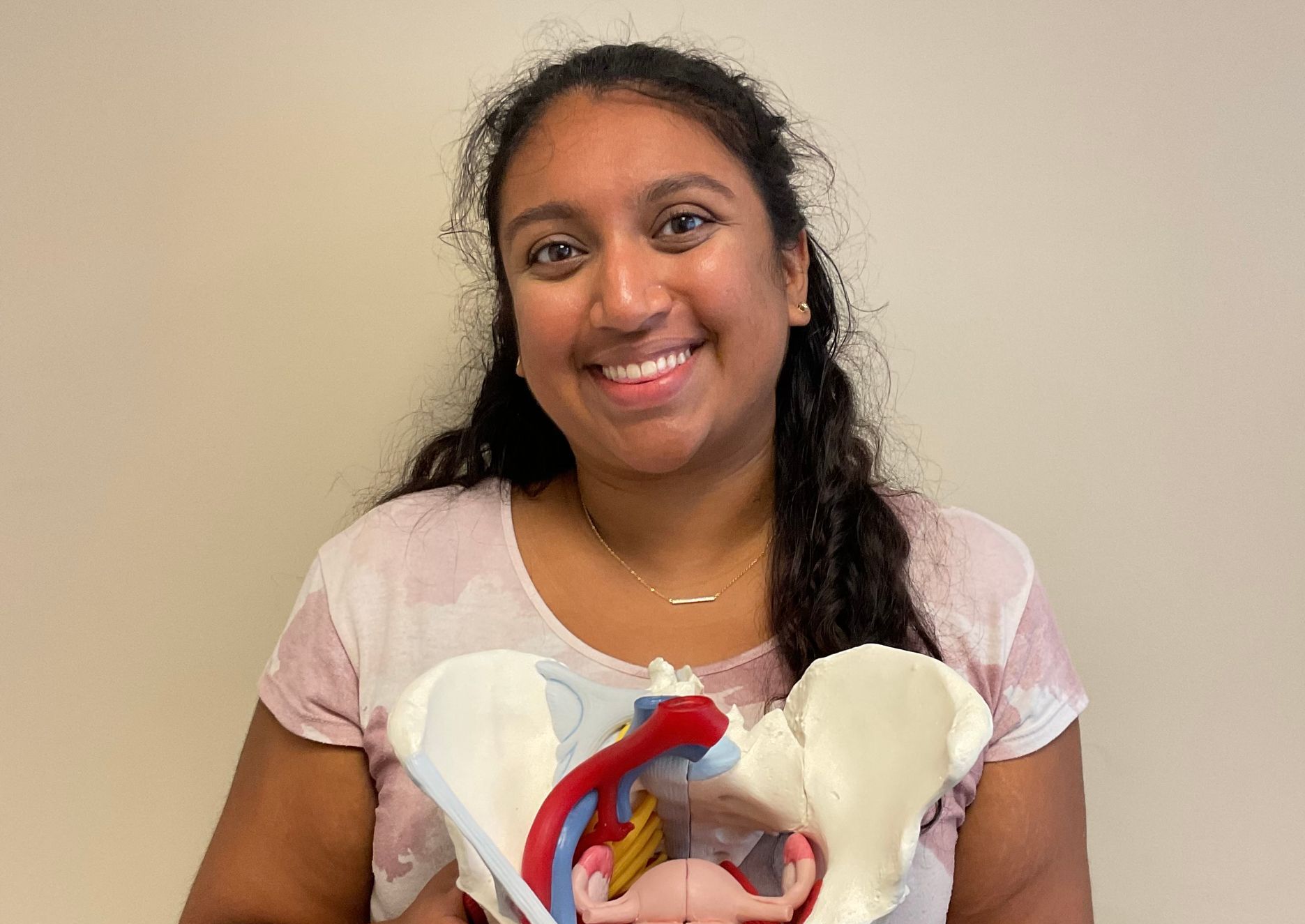
As a pelvic floor physical therapist, I hear these concerns all the time. And while most of this advice comes from a good place, it often oversimplifies how our bodies actually work. The truth is that pregnancy and postpartum aren't one-size-fits-all experiences. Let's break down a few common misconceptions about movement, core strength, and pelvic floor health.
Myth #1: Pregnancy and Postpartum Make Your Body Weak
Pregnancy brings significant physical changes, but that doesn't mean your body suddenly becomes fragile. Your muscles, joints, and connective tissues adapt throughout pregnancy to accommodate your growing baby. Some people experience changes in strength, balance, or exercise tolerance, while others continue many of their usual activities with minimal modifications.
The same goes for postpartum recovery. Just because you've given birth doesn't mean you need to start from scratch. Staying active during pregnancy and postpartum is about finding the right level of challenge for your body as it changes and recovers. This is one of the things I love about incorporating movement into pelvic floor physical therapy. We can meet your body where it is while continuing to build strength and confidence.
Myth #2: Diastasis Recti Means You Should Avoid Core Exercises
Diastasis recti, or the separation of the rectus abdominis muscles, is a normal adaptation during pregnancy. As your abdomen expands, the connective tissue between these muscles stretches to make room for your growing baby. For many people, this separation decreases naturally after delivery. For others, it persists.
The distance between your abdominal muscles is only one piece of the puzzle when it comes to understanding how your core functions. When assessing diastasis, I'm looking at more than just the distance between your abdominal muscles. I'm also interested in how you generate tension through your abdominal wall, manage pressure, and perform everyday movements.
Crunches, planks, and other abdominal exercises often get a bad reputation during pregnancy and postpartum, but these movements aren't automatically harmful.
Whether an exercise is appropriate depends on your symptoms, strength, comfort, stage of pregnancy or recovery, and ability to manage the demands of the movement. For example, someone experiencing pelvic heaviness or urinary leakage during a plank might benefit from modifying the exercise temporarily. Someone else may be able to perform that same plank without any issues. Rather than focusing solely on closing the gap, I emphasize building a strong, functional core that supports your everyday activities and the movements you enjoy. And remember, modifications aren't a step backward. They're a way to keep moving while building toward your individual needs.
Myth #3: Kegels Are the Answer to Every Pelvic Floor Problem
This might be one of the biggest misconceptions I encounter in my practice. Your pelvic floor is a group of muscles that supports your pelvic organs and contributes to bladder, bowel, and sexual function. Like other muscles in your body, these muscles need to be able to contract, relax, and coordinate with the surrounding structures. Sometimes pelvic floor strengthening is exactly what someone needs.
Other times, the pelvic floor muscles may already be overactive or have difficulty relaxing. In those situations, repeatedly performing Kegels may not address the underlying issue and can sometimes aggravate symptoms. That's why pelvic floor physical therapy is so individualized. We look at how your muscles are functioning, how they coordinate with your breathing and core, and what might be contributing to your symptoms before deciding on a treatment approach.
Myth #4: Breathing Exercises Alone Can Fix Your Pelvic Floor
If you've ever taken a yoga class, you've probably spent some time focusing on your breath. And there's a good reason for that! Your diaphragm, abdominal wall, and pelvic floor work together to help manage pressure within your abdomen. As you inhale, your diaphragm descends and your pelvic floor typically lengthens in response. As you exhale, both structures move back toward their resting positions. This relationship is important during activities ranging from lifting weights to getting out of bed.
Breathing exercises can be a useful tool for improving body awareness, coordinating movement, and helping some people relax their pelvic floor muscles. However, breathing isn't a magic solution for every pelvic floor concern. Depending on your symptoms, you may also benefit from strengthening, mobility work, behavioral strategies, or other individualized treatments. The key is understanding how breathing fits into the bigger picture.
So, Where Does Yoga Fit Into All of This?
One of the things I appreciate about yoga is that it creates opportunities to explore strength, mobility, balance, and breathing together. During pregnancy, yoga can be a wonderful way to stay active, explore comfortable movement, and connect with your changing body. Postpartum, it can provide an opportunity to gradually return to movement while rebuilding strength and confidence. Pelvic floor physical therapy complements this by helping identify individual limitations, address symptoms, and develop strategies that support your movement goals. Neither approach is about achieving the perfect posture, mastering a particular pose, or moving exactly like someone else. It's about understanding your body and giving it the tools it needs to move comfortably and confidently.
Let's Put It Into Practice!
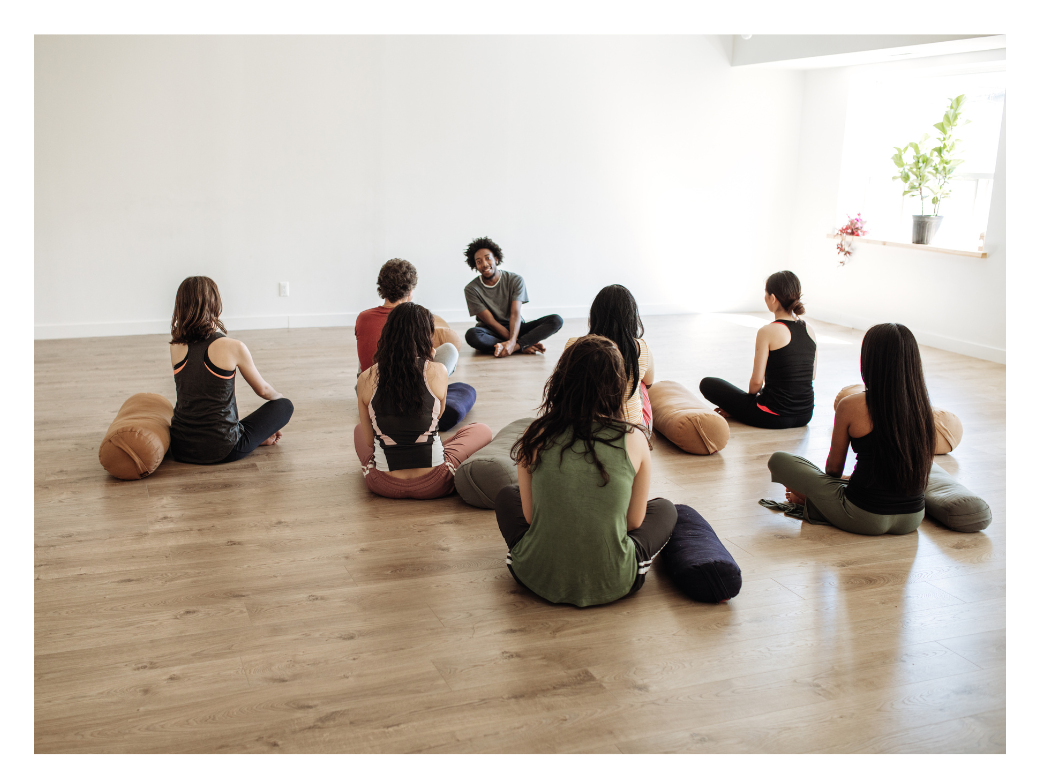
On November 1, I'll be hosting a prenatal and postpartum workshop at Breathing Space, where we'll explore many of these concepts together. We'll discuss how your breath, core, and pelvic floor work together, explore practical movements, and talk about ways to adapt movement throughout pregnancy and postpartum. My hope is that you leave with a better understanding of your body, a few practical tools you can use right away, and more confidence in the way you move. I hope to see you there!